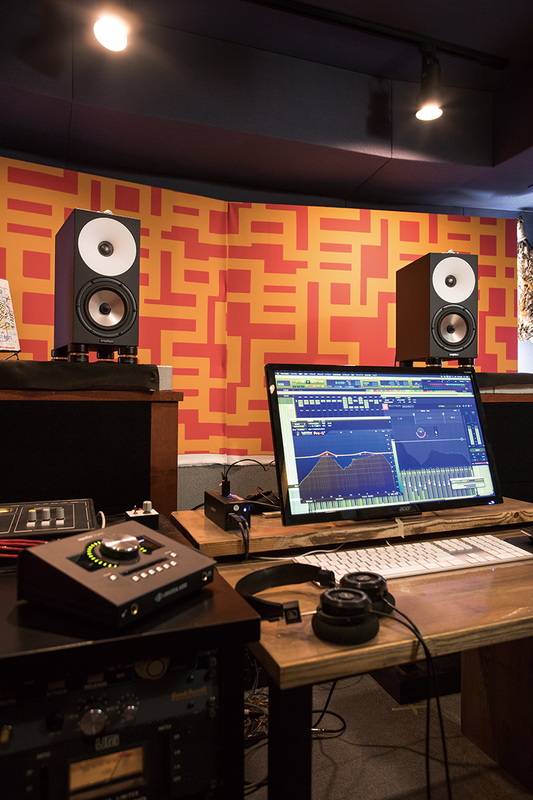
What Is Good Sound Quality for Studio Monitors? A Professional’s Guide
From a professional studio perspective, good sound quality for speakers (i.e., studio monitors) means faithful, accurate, and detailed reproduction of the source audio. The goal is to hear the mix exactly as it is—without coloration—so decisions made during recording, mixing, and mastering translate well across all playback systems.
- Flat Frequency Response
- Definition: A monitor should not artificially boost or cut any part of the frequency spectrum.
- Why It Matters: This allows the engineer to make accurate EQ decisions. If a speaker has a hyped low end or scooped mids, the mix may not translate well outside the studio.
Example: A truly flat speaker reveals whether a bass guitar is too boomy or a vocal is too harsh, without flattering or hiding those flaws.
- High Resolution and Detail
- Definition: The ability to resolve subtle nuances—reverb tails, low-level harmonics, or compression artifacts.
- Why It Matters: Professional work often hinges on hearing the finest details. You need to catch slight distortion, phase issues, or room noise.
- Time and Phase Accuracy
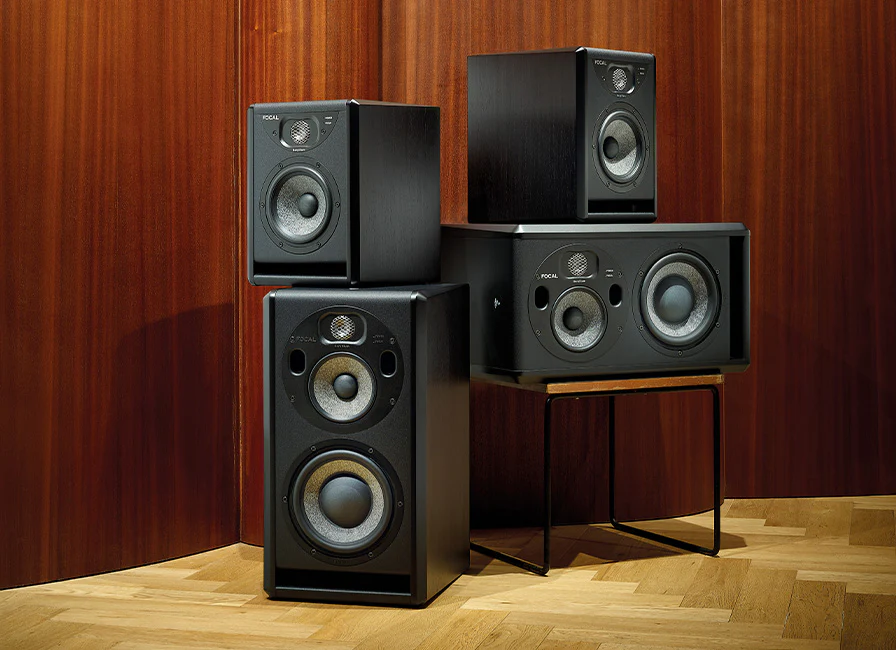
- Definition: The speaker’s drivers (woofer, tweeter, etc.) must align time-wise, so the audio image stays coherent.
- Why It Matters: Poor phase alignment can cause smearing or cancelation, affecting stereo imaging and clarity.
- Accurate Stereo Imaging
- Definition: The ability to precisely place instruments across the stereo field.
- Why It Matters: Pan decisions, spatial effects, and stereo width are critical parts of the mix and mastering process.
- Low Distortion at All Levels
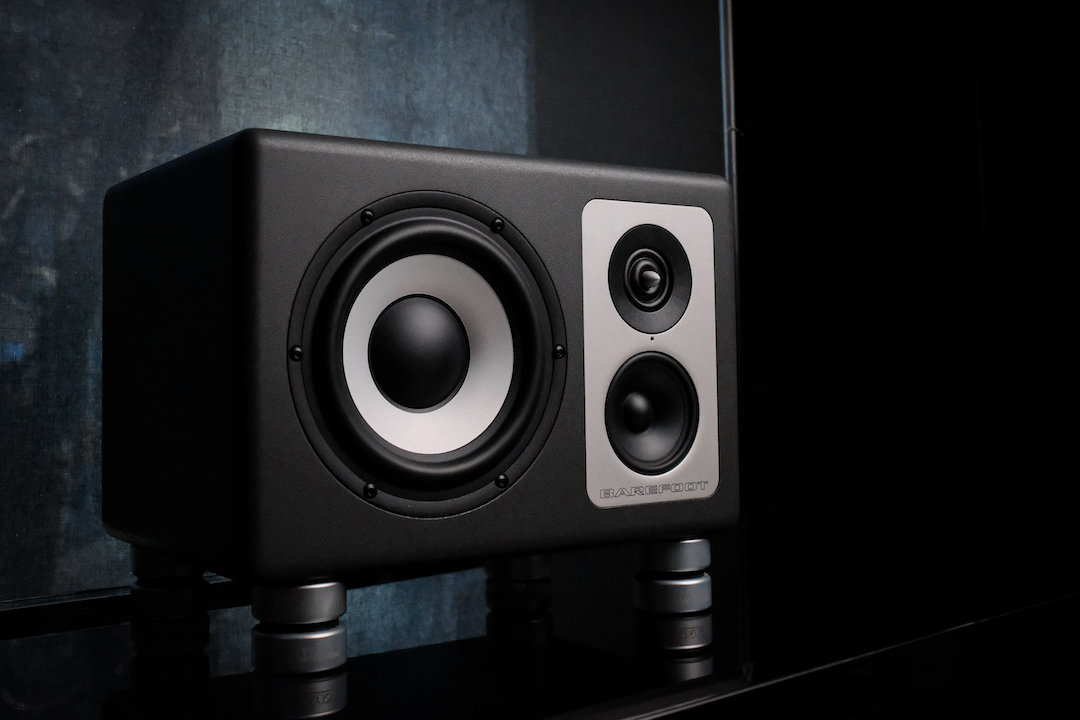
- Definition: The speaker should not introduce harmonic or intermodulation distortion, even at higher volumes.
- Why It Matters: Distortion can mask important details or mislead you about the true quality of the audio.
- Controlled Low-End Extension
- Definition: The bass should be extended enough to hear sub information, but tight and not overemphasized.
- Why It Matters: Bass is critical in modern genres. A speaker that can reproduce lows accurately (e.g. down to 35–40 Hz) helps avoid muddy or weak-sounding mixes.

- Room-Adaptable or Tunable
- Definition: Many professional monitors offer room compensation EQ or DSP to adapt to acoustic environments.
- Why It Matters: Even the best monitors sound poor in untreated rooms. Tuning helps, especially in smaller or imperfect spaces.
- Build Quality and Consistency
- Definition: Robust cabinets, quality components, and consistent behavior across the stereo pair.
- Why It Matters: A studio monitor is a tool. It must perform reliably under daily professional use.
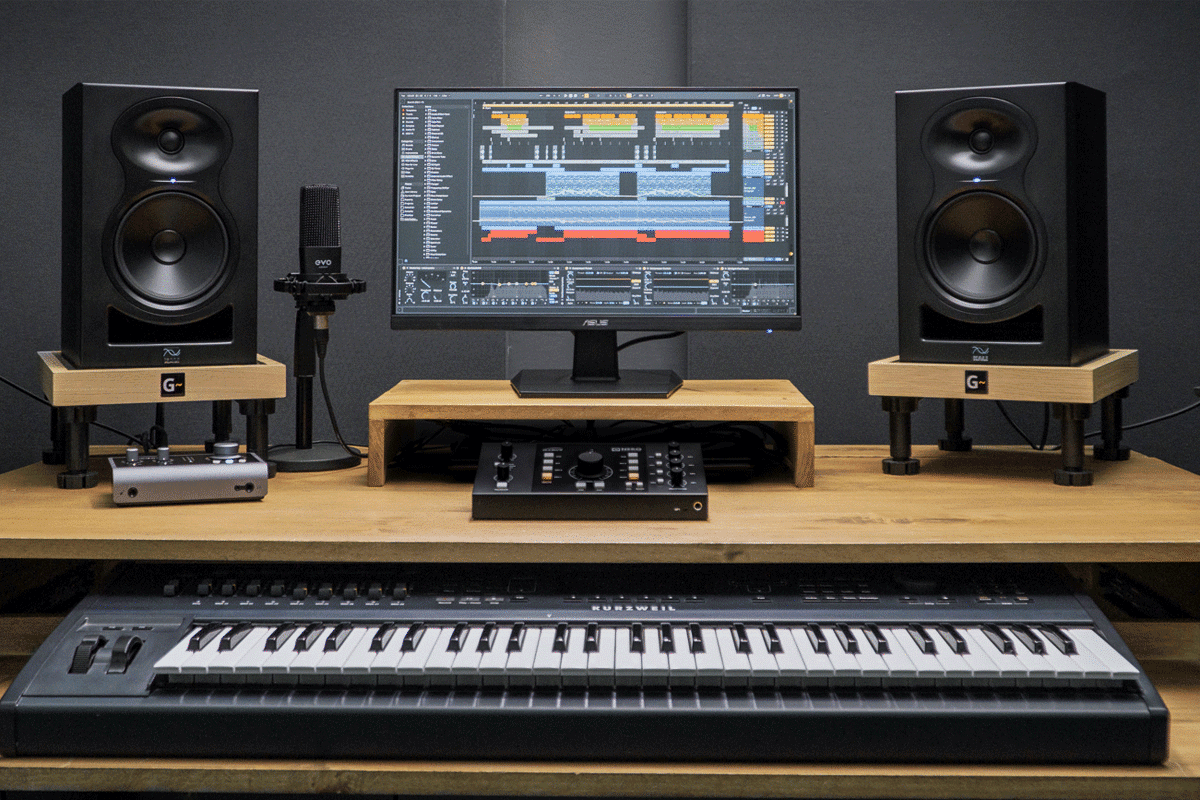
Summary: What Good Sound Means in the Studio
|
Quality |
Why It Matters |
|
Flat response |
Accurate mix decisions |
|
High resolution |
Reveals details, problems, textures |
|
Phase/time accuracy |
Clear transients, stereo coherence |
|
Stereo imaging |
Precise placement of elements |
|
Low distortion |
Clean, accurate playback |
|
Extended bass |
Hear full mix content |
|
Room adaptability |
Compensate for real-world acoustics |
|
Build consistency |
Professional-grade reliability |
Good sound quality in studio monitors refers to accurate, uncoloured, and detailed audio reproduction that allows you to hear the music exactly as it was intended — whether you’re mixing, producing, or simply enjoying it. While online reviews and marketing materials can offer some guidance, they are often subjective and may not reflect your personal taste or listening environment. That’s why listening to monitors yourself at a showroom is always the best way to decide. This advice isn’t just for professionals — music lovers will also benefit. In fact, many people are now realising that the high-end sound quality once associated with very expensive home audio systems can be achieved more affordably with professional studio monitors.