
The Life and Legacy of Rupert Neve
From his earliest memories, Rupert Neve was drawn to music, electronics, and problem-solving. These lifelong passions laid the foundation for a design career that would span more than 80 years, earn him a Technical GRAMMY® Award, the title of Audio Person of the Century by Studio Sound magazine, and 16 TEC Awards through his work with Rupert Neve Designs.
Rupert’s journey was as global as it was groundbreaking. He spent his boyhood in Argentina, building radios during the shortages of World War II to help people stay informed. At 17, like many young British men abroad, he volunteered to serve King and Country, eventually sailing to England to join the Royal Signals. After the war, with a small inheritance from his grandmother, Rupert purchased an ex-US Army Dodge ambulance and converted it into a mobile recording and PA control room — capturing choirs, music festivals, and community events onto 78 RPM lacquer discs, long before multitrack tape or editing existed.
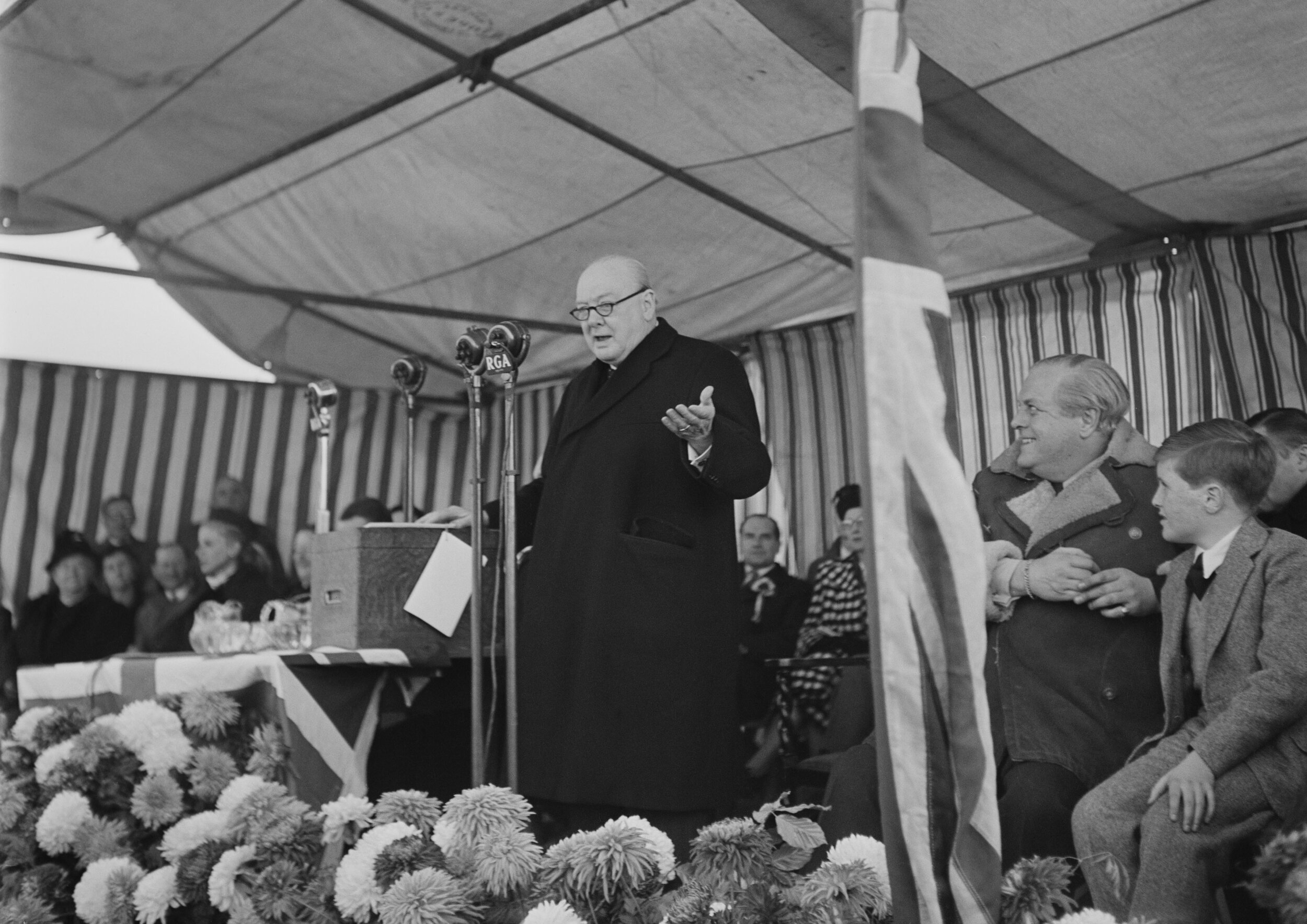
He repaired and built radios, studied The Radio Amateurs Handbook, memorized valve catalogues, and immersed himself in component discussions at the local radio shop. Early on, his skill caught attention: he provided public address for Princess (later Queen) Elizabeth II and for Winston Churchill during a political rally in Plymouth — using amplifiers and loudspeakers of his own design.
In the post-war years, Rupert honed his engineering skills with Rediffusion, Ferguson Radio, and as Chief Engineer for a transformer manufacturer. His first original products were hi-fi speakers and amplifiers under the CQ Audio name. But it was his work for composer Desmond Leslie — who needed a mixer for a musique concrète project — that marked the beginning of Rupert’s legacy in pro audio. Unable to finance the project upfront, Rupert and his wife Evelyn requested a third of the cost in advance. The result: Rupert Neve’s first custom mixer, and the start of his rise as an audio innovator.
Inventing the Modern Console
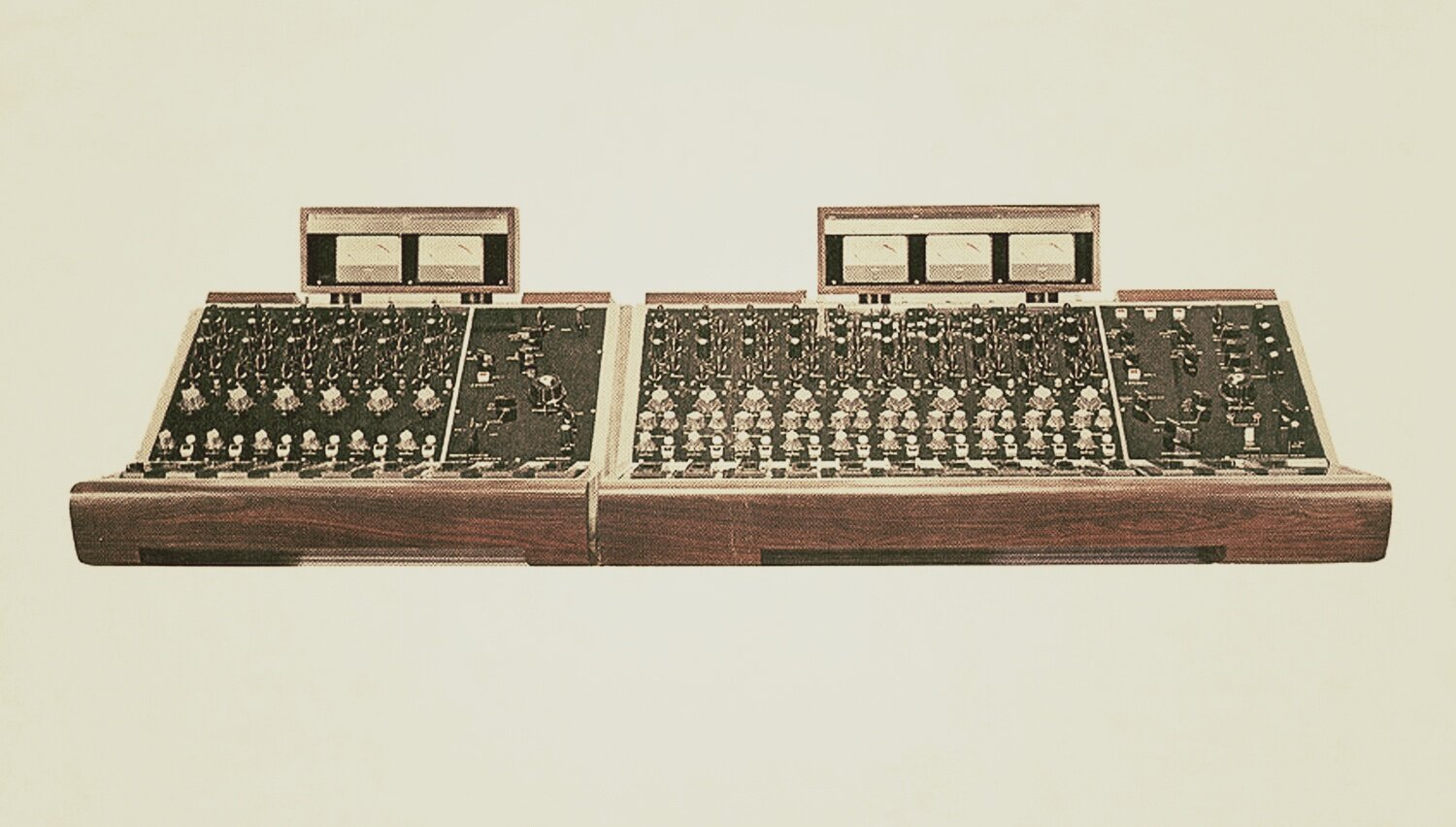
By the early 1960s, London’s recording scene was exploding, and studios like Recorded Sound Ltd. and Phillips Records Ltd. turned to Rupert for new audio solutions. He designed valve consoles for both studio and remote recording, quickly gaining a reputation for reliability and sonic excellence.
By 1964, he had developed high-performance transistor-based equipment, moving beyond valves. Phillips Records commissioned a set of equalizers that enabled engineers to rebalance stereo mixes— a revolutionary idea in the days before multitrack recording. This success brought further demand for consoles, and by the mid-1970s, the Rupert Neve Company had grown from a home operation to a global business with hundreds of employees.
His designs for equalizers, compressors, mic preamps, and mixing consoles became industry benchmarks. Remarkably, many of those original consoles are still in active use today — five decades later.
The Next Chapters
In 1975, needing capital for growth, Rupert sold the Neve Company to a public British firm. He honoured a 10-year non-compete clause and founded ARN Consultants, shifting focus to education and acoustics. The Neve brand eventually became what is now AMS Neve, but Rupert never contributed designs to that company.
In 1985, the Neves launched Focusrite Ltd. to produce high-end rack-mounted gear. But despite initial success, the company overreached by taking on complex console projects. Delays in digital development led to liquidation in 1989. Phil Dudderidge later acquired the assets and formed Focusrite Audio Engineering Ltd., though Rupert was no longer involved.
Later that year, Rupert began consulting with Amek Systems and Controls Ltd. in Manchester, designing a new line of consoles and outboard gear — including the System 9098 range, launched in 1993.

The Birth of Rupert Neve Designs
In 1994, Rupert and Evelyn moved to Wimberley, Texas, and became U.S. citizen in 2002. Then, in 2005, Rupert Neve Designs (RND) was born — founded by Rupert, Evelyn, and Joshua Thomas. The company distilled over six decades of analog expertise into a new generation of products, all crafted to the highest musical and engineering standards.

The Portico Series kicked off RND’s journey, merging classic circuit philosophies with a modular, modern approach. This was followed by the 5088 analog console — Rupert’s final masterpiece, and the only modern desk built to the same standard as his iconic 80-Series consoles. With its extraordinary headroom, custom transformers on every input and output, and low noise floor, the 5088 became a favourite of top artists and studios — from Alan Parsons to Jack White, and RCA Studio B to the San Francisco Conservatory of Music.
Between 2009 and 2013, RND introduced widely acclaimed tools such as the Portico II Channel, Master Buss Processor, 5059 Satellite Mixer, and the 5060 Centerpiece. The company also entered the 500-Series format with Rupert’s own designs. These tools extended the functionality of Rupert’s beloved SILK circuit, offering a wider tonal palette to modern engineers.
In 2013, RND launched the Shelford Series—equipment inspired by Rupert’s most legendary modules, including the 1073, 1064, and 2254. These modern classics deliver vintage warmth with 21st-century reliability and flexibility.
Rupert Neve Designs also became a force in live sound, with tools like the 5045 Primary Source Enhancer, the RNDI DI boxes, and the RMP-D8—a Dante-connected mic preamp with Rupert’s signature analog tone.
A Lasting Influence
Today, Rupert Neve Designs gear is used by artists across every genre — Justin Timberlake, Beyoncé, Stevie Wonder, Green Day, Depeche Mode, The Rolling Stones, and many more. On stages and in studios worldwide, Rupert’s sonic fingerprint lives on.
On February 12, 2021, Rupert Neve passed away at the age of 94. The audio world lost a visionary — one whose contributions reshaped the way music is captured, mixed, and heard.
Rupert Neve’s designs didn’t just power studios — they shaped the sound of recorded music itself. His legacy is not just in the consoles and circuits, but in the music we know and love. And thanks to Rupert Neve Designs, that legacy continues to grow.